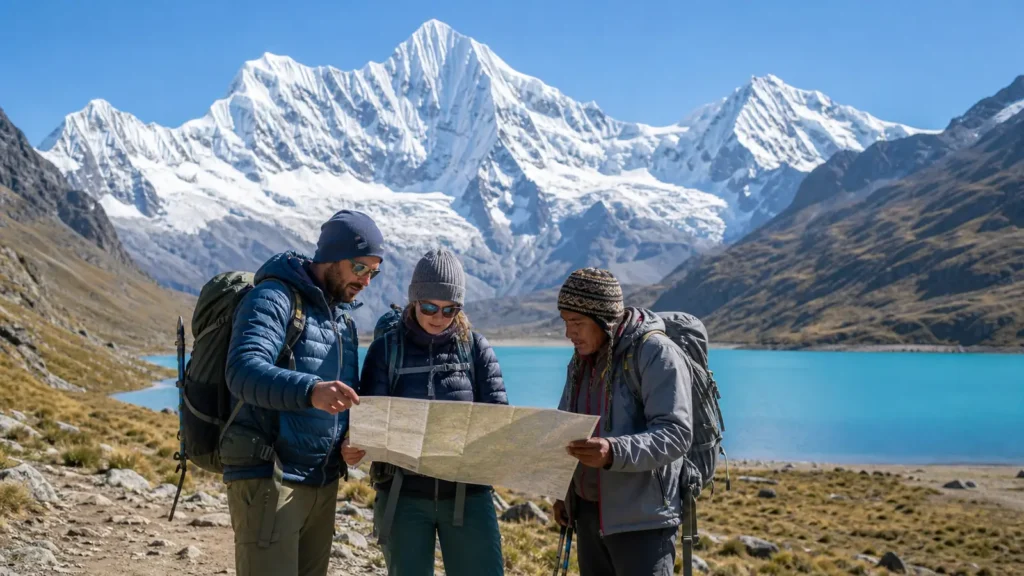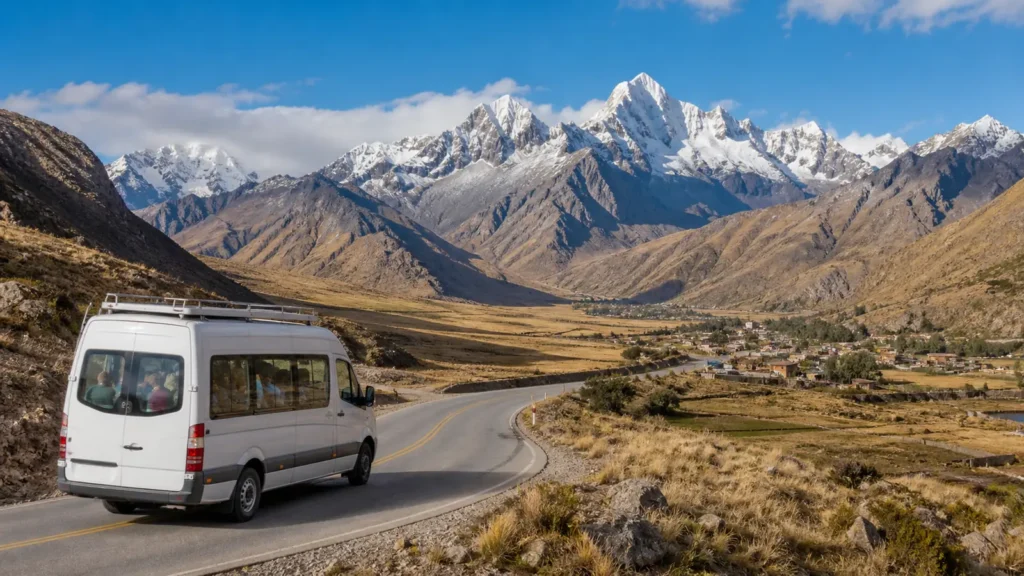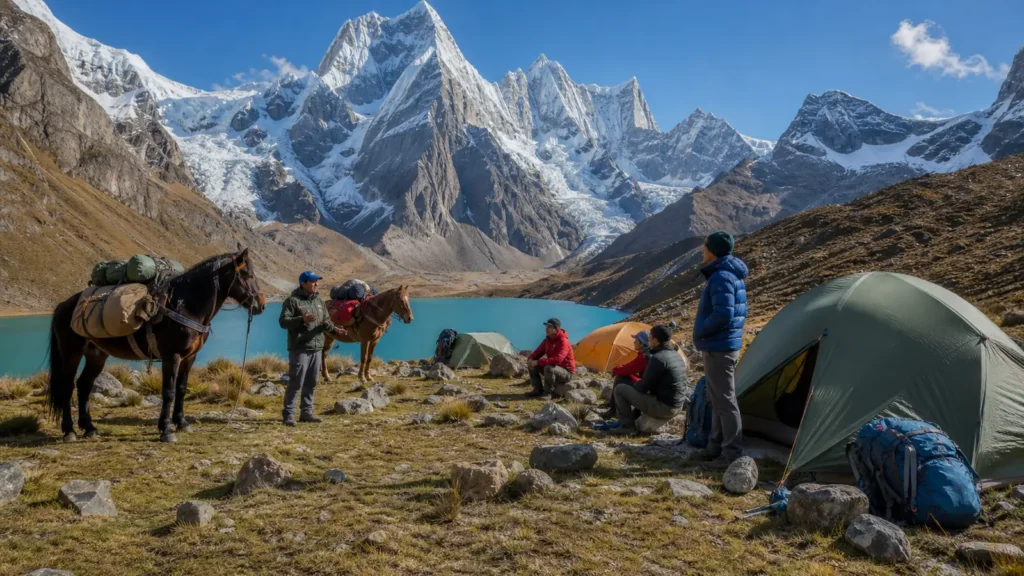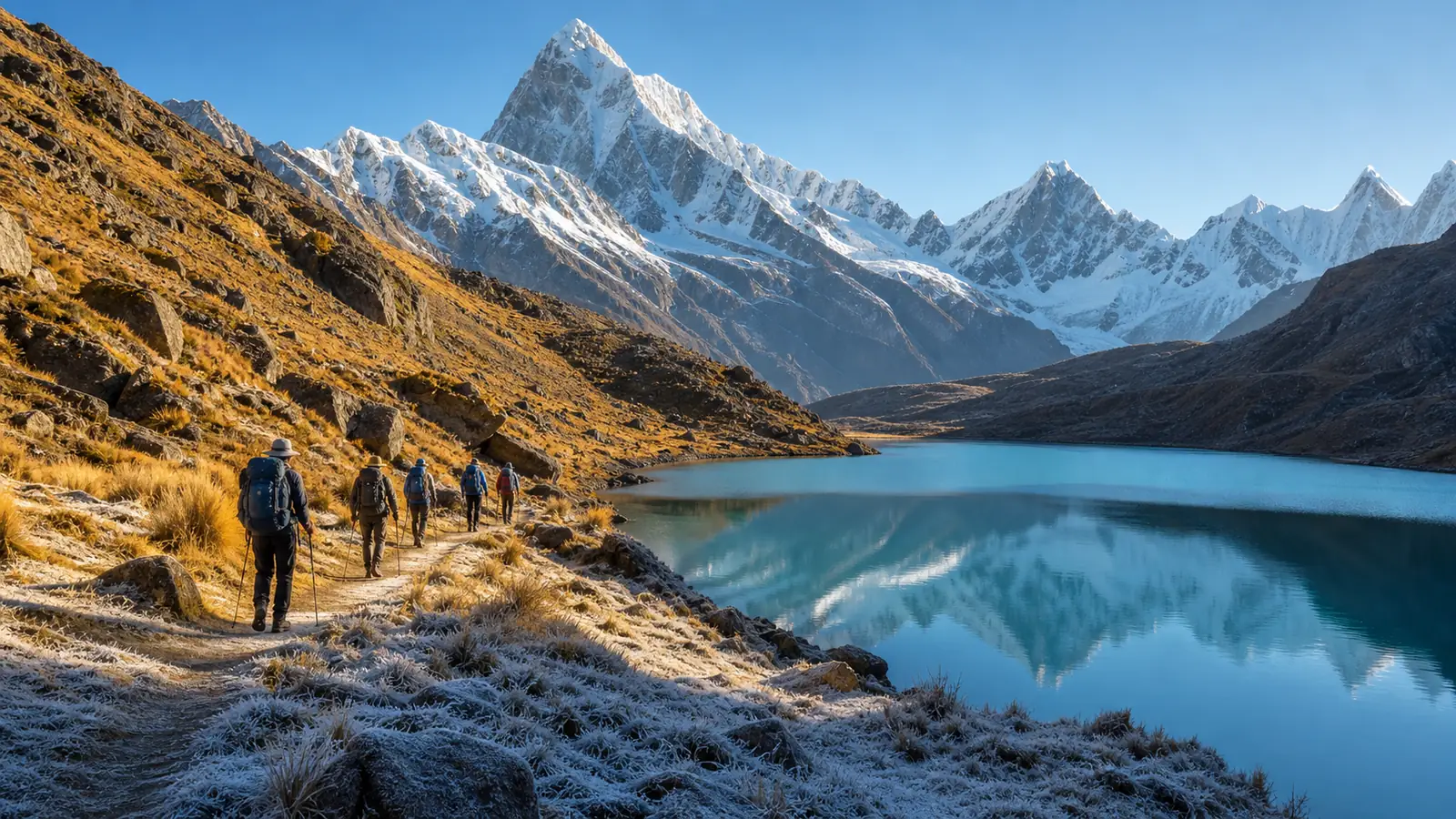

The best time to hike Huayhuash is generally from May through September, during the drier season in the Peruvian Andes. For the most reliable combination of clearer mountain views and drier trails, June to August is the classic choice. May and September often provide a useful balance between favorable conditions and fewer trekkers, while April and October are more variable shoulder months.
The best season depends on what “best” means to you
There is no single date that works equally well for every trekker. A photographer may prioritize clear sunrise views, while an experienced hiker may accept occasional rain for greener valleys and fewer groups. Someone sensitive to cold may prefer the edges of the dry season instead of the clearest midwinter weeks. Your available time, route length and ability to change plans also matter.
This guide focuses on choosing travel dates. For a detailed January-to-December breakdown of precipitation, frost, snow and wind, read the separate Huayhuash Trek weather guide. Keeping those search intents separate helps travelers compare seasons here without repeating the entire climate explanation.
Why May to September is the main trekking window
The drier Andean season typically brings lower precipitation and longer periods of visibility across the Cordillera Huayhuash. Trails are more likely to be firm, high passes are easier to assess and camp equipment has a better chance to remain dry. These conditions are particularly valuable on an itinerary that spends several consecutive nights above 4,000 meters.
Dry season does not mean predictable warmth. Clear skies allow heat to escape quickly after sunset, and frost or sub-zero temperatures are common at high camps. Isolated rain, hail or snow can still cross the range. The advantage is a better seasonal probability, not a guarantee that every planned pass will remain clear.
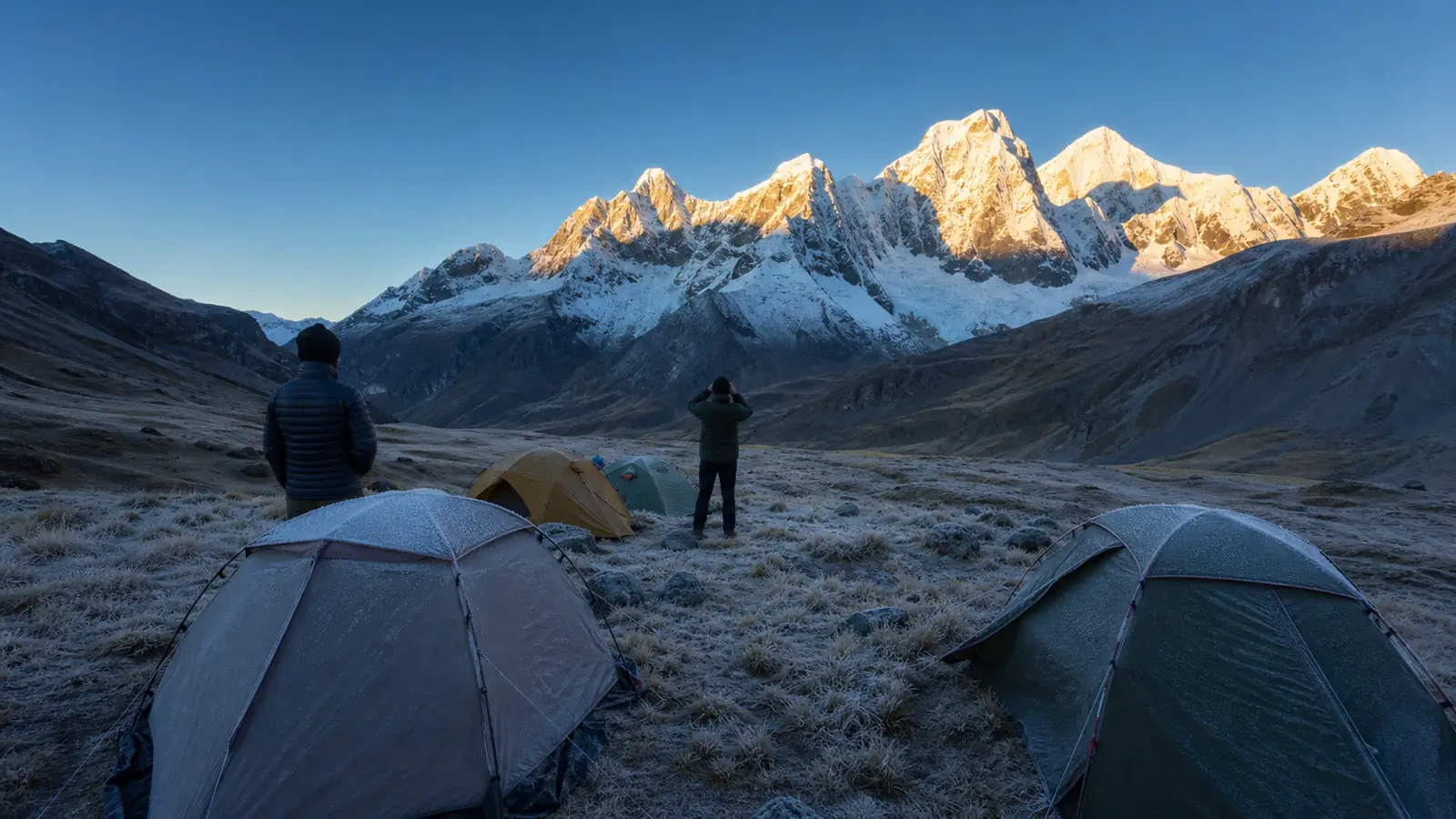
May: an increasingly popular early-season option
May often marks the beginning of the more dependable trekking period. Residual moisture can keep valleys greener than later in the season, while clearer days become more frequent. It can be an attractive month for hikers who want strong scenery without choosing the busiest part of the calendar.
The transition does not occur on a fixed date. A wet season that runs late may leave muddy sections, swollen streams or snow on passes. Before confirming an early-May departure, ask for recent road and trail reports rather than relying only on historical averages. A capable operator should be able to explain which access and camps are currently functioning.
June, July and August: the most reliable classic season
These months normally provide the strongest probability of dry trails and unobstructed views of peaks such as Yerupajá, Jirishanca and Siula. The stable pattern makes them suitable for long circuits where one wet day can affect several later stages. They also align with the period most international hikers associate with Peru’s high-mountain trekking season.
The tradeoffs are colder nights, stronger demand and less flexibility in popular group departures. Camps can freeze before sunrise and exposed passes may be windy. Clear conditions also increase daytime ultraviolet exposure. Book important services early, but do not let availability pressure you into an itinerary that lacks enough acclimatization.
September: good conditions with a little more uncertainty
September can retain many dry-season advantages while bringing fewer visitors than the central winter months. Daytime conditions may feel less severe, and the landscape begins its transition toward the wetter cycle. It is often a strong choice for experienced travelers who can preserve schedule margin.
Afternoon cloud and isolated showers may become more frequent as the month progresses. A late-September departure needs complete rain protection and a conservative decision process for high passes. Choosing September should reflect flexibility, not an assumption that the dry season ends overnight on September 30.
April and October: shoulder-season opportunities
April and October can deliver beautiful trekking days, softer light and quieter camps, but their variability is the central issue. April may still carry late wet-season conditions; October can experience the first sustained rains. Either month may work well in one year and produce repeated itinerary changes in another.
Shoulder season suits hikers who understand that a planned viewpoint may be covered by cloud and that transport or camp locations can change. Build at least one flexible day around the expedition, avoid tight onward flights and ask how the operator decides whether to modify or postpone a departure.
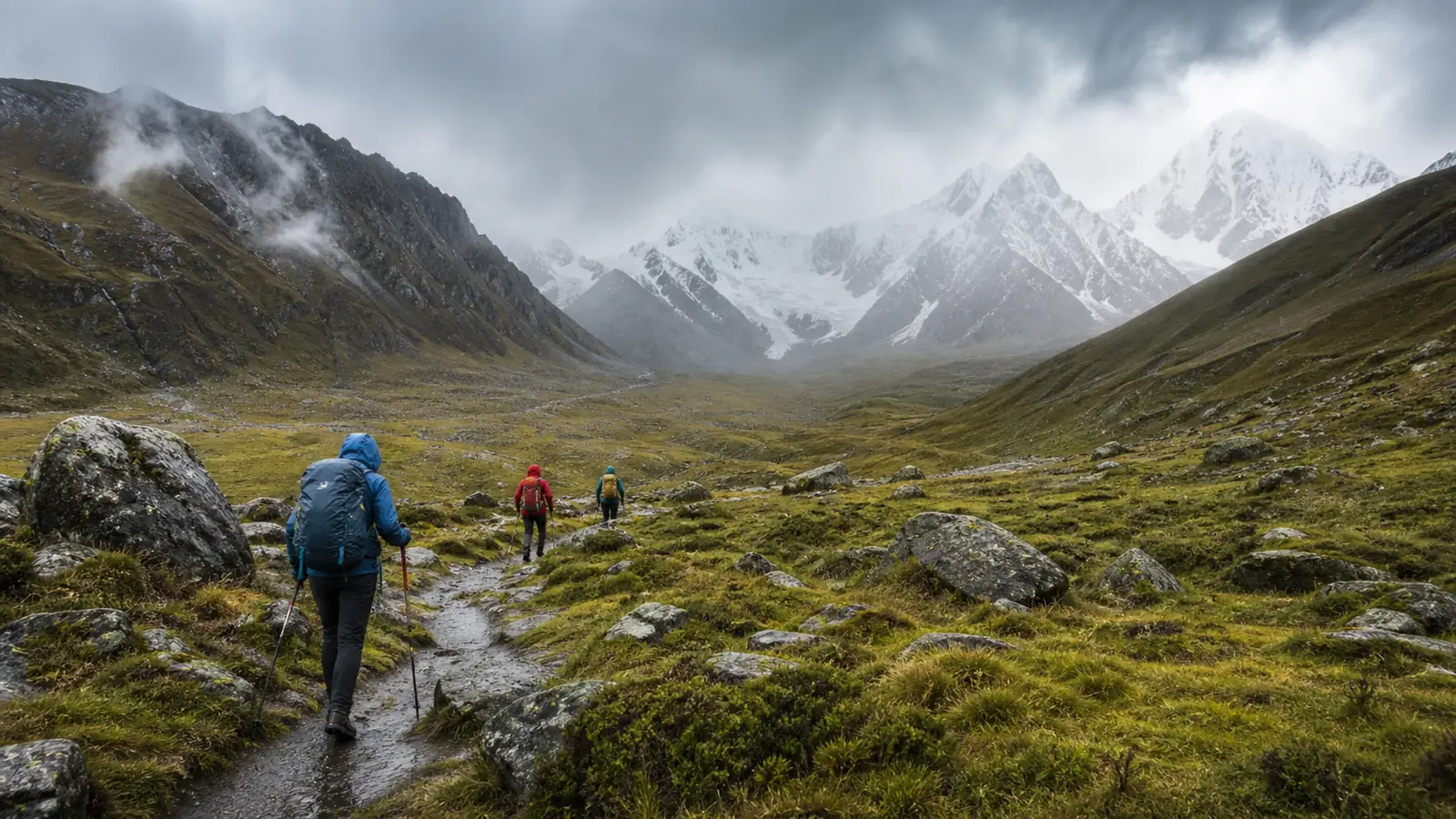
November to March: why the wet season is more demanding
During the wetter months, frequent cloud and precipitation can reduce mountain views and complicate trail conditions. Rain in the valleys may fall as hail, sleet or snow on higher passes. Wet tents and clothing are harder to manage over successive days, especially where there is no permanent shelter or reliable drying room.
The landscape can be green and the trail quiet, but these benefits do not remove the operational challenges. Road access, stream levels, camp drainage and lightning exposure need current assessment. Some operators reduce or suspend regular departures. A traveler considering this period should choose the operator and route before choosing a non-refundable date.
Best time for clear mountain views and photography
June through August generally provides the highest probability of clear views, especially during early morning hours. May and September can also be excellent and may offer more varied vegetation or atmospheric cloud. Photographers should remember that strong midday light can flatten snow detail, whereas sunrise, sunset and passing cloud often produce more interesting images.
Protect batteries from cold, carry waterproof storage and keep equipment accessible without delaying the group. A perfect forecast does not justify leaving the marked route, approaching unstable slopes or standing near an exposed edge. The best photographic season still demands mountain judgment.
Best time for fewer trekkers
May, September and the edges of the shoulder season usually attract fewer groups than July and August. A quieter trail can improve the sense of remoteness and reduce pressure at some camps. However, visitor numbers also depend on local holidays, organized departures and the exact route, so calendar assumptions are imperfect.
Fewer people can mean fewer shared transport options or a higher private-service cost. Confirm whether the departure needs a minimum number of participants. Solitude is valuable only when the route still has appropriate logistics, communication and emergency support.
Best time for a 5-day trek versus a full circuit
A five-day route spends less total time exposed to changing systems, but it may compress transport and high-altitude stages into a tight schedule. A long circuit has more opportunities to encounter rain or snow, yet a well-designed itinerary can include recovery and alternative stages. Duration changes the consequences of weather, not just the number of days.
Travelers with limited vacation can review the existing Huayhuash Trek 5 Days. Before booking, request the actual start point, camp elevations and current contingency plan. The future Huayhuash Trek itinerary guide will compare route lengths without treating a short trek as a compressed full circuit.
Altitude and acclimatization affect your ideal date
The clearest month is not useful if your travel schedule leaves no time to acclimatize. Many routes cross high passes and sleep repeatedly above 4,000 meters. Arriving from Lima and beginning immediately can turn a favorable forecast into a difficult experience. Reserve time in Huaraz for gradual activity and honest observation of symptoms.
Cold, poor sleep and dehydration can make altitude adaptation harder. Anyone with relevant medical conditions or a previous severe reaction should seek qualified advice. The planned Huayhuash Trek altitude and acclimatization guide will cover ascent profiles, warning signs and preparation in detail.
How far ahead should you book?
Huayhuash does not use the same centralized permit system as the classic Inca Trail, but good guides, equipment, transport and group spaces can still become limited during the main season. Booking earlier is sensible for fixed vacation dates, private departures or groups that need specific dietary and equipment arrangements.
Do not confuse early booking with accepting unclear terms. Ask for the complete inclusions, cancellation policy, community payments, sleeping-bag specification and response to unsafe conditions. A reputable service should explain which elements are confirmed and which depend on current local access.
Season-selection table
| Your main priority | Usually strongest period | Main tradeoff |
|---|---|---|
| Most stable trekking conditions | June–August | Colder nights and higher demand |
| Balance of visibility and fewer groups | May or September | More transitional uncertainty |
| Greener landscapes | April or early shoulder season | Wet trails and variable access |
| Quietest camps | Outside peak dry months | Fewer fixed departures and less stable weather |
| Long full circuit | Core dry season | Requires early logistical planning |
| Short five-day route | May–September | Compressed schedule leaves less margin |
What to pack for the season you choose
Every month requires a waterproof shell, insulating layers, sun protection and a sleeping system suitable for high camps. Dry-season hikers need serious cold protection; shoulder-season hikers should add redundancy for keeping critical equipment dry. Wet-season departures demand an even more conservative approach to waterproofing and spare clothing.
The future Huayhuash Trek packing list will separate personal essentials from equipment commonly provided by guided services. Always confirm the actual comfort rating of a rented sleeping bag and protect it inside an independent waterproof liner.
A practical way to choose your departure month
- Decide whether visibility, warmer conditions, fewer people or a fixed vacation window matters most.
- Select a route duration that leaves enough acclimatization and recovery time.
- Compare historical patterns with recent trail and road conditions.
- Ask the operator about group availability, camps and weather contingencies.
- Keep a flexible day before an important onward connection.
- Review a mountain forecast again shortly before departure.
Continue with the future complete Huayhuash Trek guide as the central planning resource. You can also browse the current Huayhuash trekking collection for available services and destination information.
Frequently asked questions
What is the single best month for Huayhuash?
July often offers a strong probability of clear and dry conditions, but it can also be very cold and more popular. June, August, May and September may be equally suitable depending on priorities.
Is May a good time for the Huayhuash Trek?
Often yes. May can combine improving stability, greener landscapes and fewer groups, although recent trail conditions should be checked after the wet season.
Is September too late?
Not necessarily. September frequently has good trekking days, with increasing cloud and shower risk as the seasonal transition develops.
Should beginners trek during the rainy season?
The additional uncertainty and wet-camp management make it a poor default choice for a first high-altitude multi-day trek.
Does dry season guarantee no rain?
No. High-mountain weather can produce rain, hail or snow during any month. Dry season only improves the overall probability.
When should I book a July departure?
Book as early as your plans reasonably allow, especially for a specific guide, private service or fixed dates, while reviewing cancellation and safety terms first.
Official source and update policy
Seasonal climate context was checked against the official SERNANP profile for the Cordillera Huayhuash Reserved Zone. The page will need periodic review because roads, community arrangements, operator schedules and observed weather can change.