
One of the most common questions among those planning a trip to the Peruvian Amazon is: Should I go to Iquitos or Tambopata? Both destinations are fascinating, but if your itinerary or budget only allows for one, this guide will help you compare their main features so you can make the best decision.
Two Very Different Rainforests
To begin with, it’s important to know that Iquitos is a large, densely populated Amazonian city located in the northeast of the country, while Tambopata is a much more remote and protected natural area located in the south, near the Bolivian border.
From Iquitos, you can access natural areas such as the Pacaya Samiria National Reserve, famous for its biodiversity and unique aquatic landscapes. It’s also the departure point for Amazon River cruises. In contrast, Tambopata offers a more immersive experience in nature, with excellent opportunities to spot wildlife in its natural habitat.
How to Get to Iquitos or Tambopata
A flight from Lima to Iquitos takes approximately two hours. From the airport, you can easily reach the city center and enjoy views of the mighty Amazon River from the riverfront promenade. However, for a true nature experience, you’ll need to venture further out to reach eco-lodges or take a river cruise.
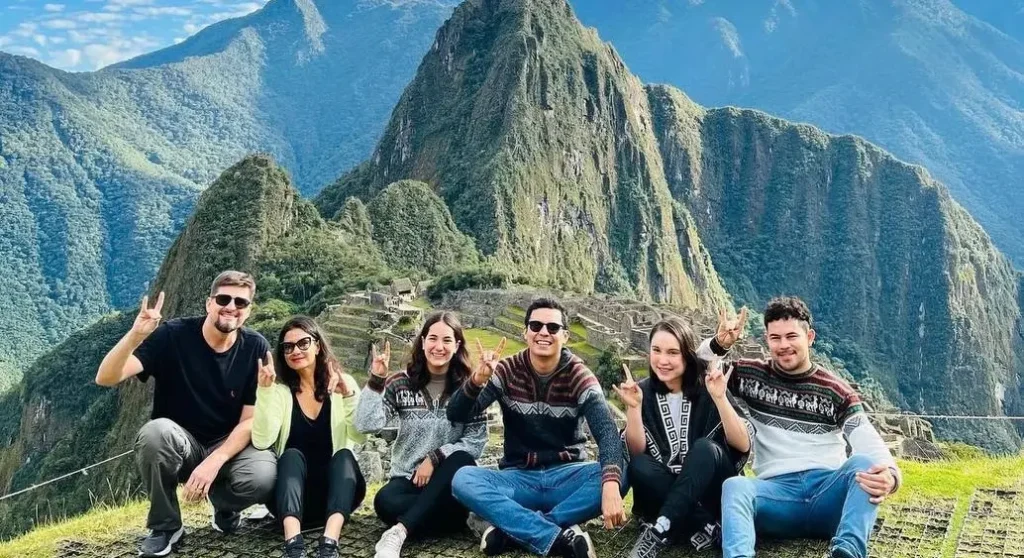
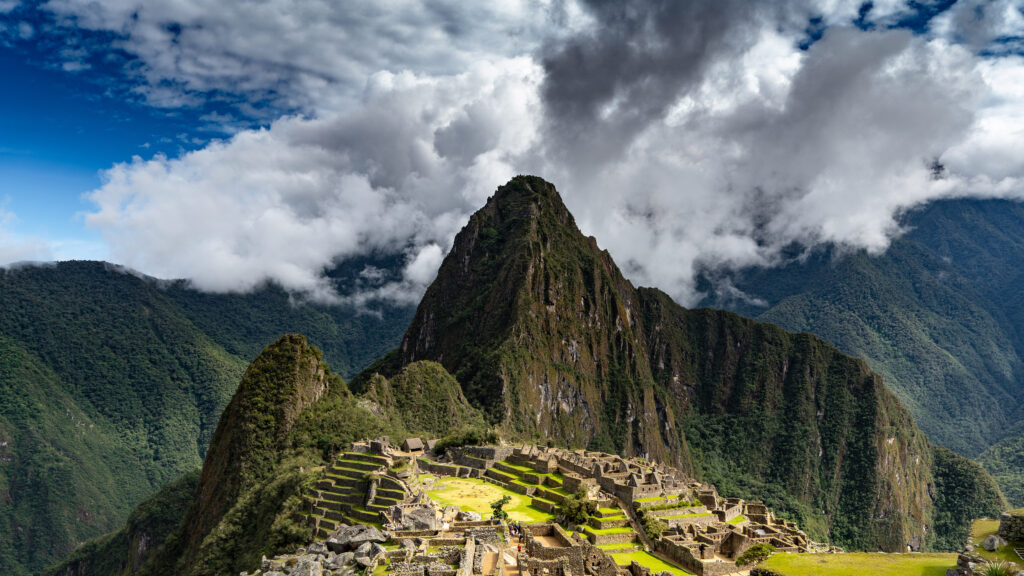
There are direct flights between Cusco and Iquitos, which is convenient for those visiting Machu Picchu who also want to explore the Amazon. Note, though, that this route is only available three times a week (Monday, Wednesday, and Friday).
Puerto Maldonado, the gateway to Tambopata, also has daily flights from both Lima and Cusco. Once there, transportation to the lodges is by boat, with travel times ranging from 30 minutes to over three hours, depending on the lodge’s location. The deeper into the jungle you go, the greater your chances of spotting wildlife.
Nature and Wildlife
Although both the northern and southern parts of the Peruvian Amazon offer stunning ecosystems, there are key differences between them.
Iquitos, being a large and active city, has experienced significant environmental pressure due to agriculture and urban expansion. For this reason, wildlife sightings near the city are limited. However, visiting Iquitos offers a unique cultural experience with riverside communities, and it provides access to reserves like Pacaya Samiria and Tamshiyacu Tahuayo, where it is possible to see animals in the wild.
Pacaya Samiria is known as “the jungle of mirrors” because of the sky’s reflection on its dark waters. Here, you can spot pink river dolphins, small monkeys, turtles, exotic birds, sloths, and a wide variety of insects. While there are no lodges inside the reserve, nearby accommodations and even luxury cruises offer access to this incredible region.
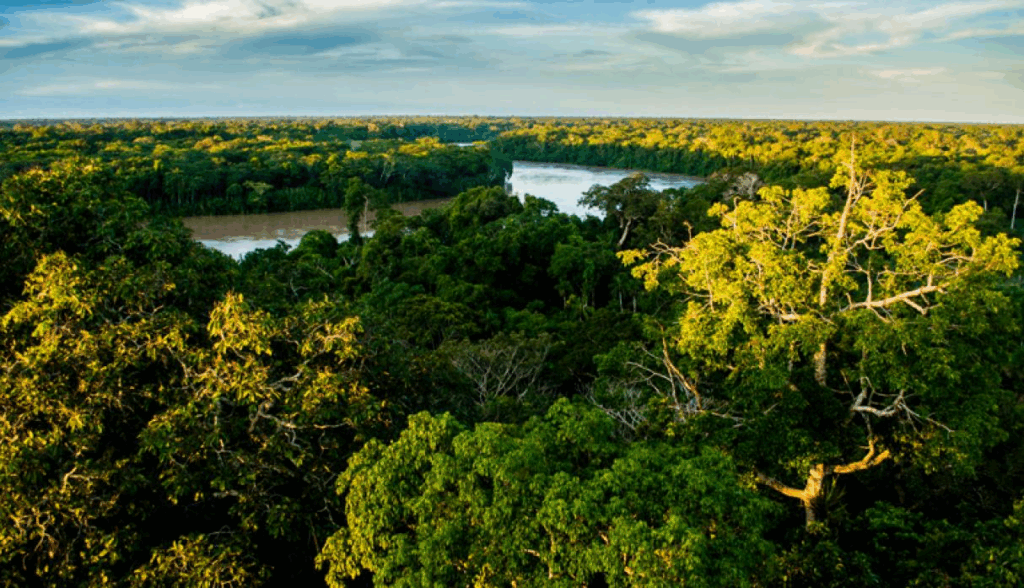
Tambopata, on the other hand, is surrounded by much better-preserved forests. Although illegal mining poses a localized threat, the region remains one of the most biodiverse on the planet. From Puerto Maldonado, it’s easy to access Tambopata National Reserve, one of the best places in the country for wildlife observation.
In just a three-day stay, you can see between three and five species of monkeys, capybaras, white caimans, giant river otters, macaws, and hundreds of bird and insect species. If you extend your trip to four days, you can explore more remote areas, including the famous macaw clay licks (clay walls visited by large groups of birds) and, with some luck, spot a wild jaguar (there’s about a 30% chance).


Where to Stay
Both Iquitos and Tambopata offer accommodation options that suit different travel styles.
In the surroundings of Iquitos, you’ll find well-equipped eco-lodges that allow you to explore the jungle without sacrificing comfort. There are also more exclusive options, such as luxury Amazon River cruises, which offer an unforgettable experience.
In Tambopata, the lodges are more integrated into the rainforest and usually include complete packages with transfers, meals, and excursions. There are options for all budgets, from rustic accommodations to luxury lodges immersed in nature.
Which One Should You Choose?
Choose Iquitos if you’re interested in exploring the navigable Amazon, learning about riverside local life, and combining jungle with city.
Opt for Tambopata if you’re looking for a more immersive and wild experience, with greater direct contact with wildlife in its natural habitat.
Both destinations are spectacular, but they offer very different experiences. Consider your priorities, the time you have available, and the kind of adventure you’re seeking.
Lodges in the Northern Jungle: IQUITOS
Tahuayo Lodge: This eco-lodge is located approximately 145 kilometers upriver from Iquitos. With only 17 cabins, it is one of the best places in the northern Peruvian jungle for wildlife observation. It has electricity generated through solar panels and batteries, allowing guests to recharge their cameras. Lighting is provided by LED lights.
Muyuna Lodge: Located at a similar distance from Iquitos, inside the Tamshiyacu Tahuayo Communal Reserve and very close to the Pacaya Samiria National Reserve, this lodge is surrounded by primary forest, guaranteeing excellent opportunities to spot wildlife in its natural habitat. Its 17 cabins are scattered between the river and the forest, offering total privacy to guests. Each cabin has solar power.
Delfin Amazon Cruises: The Delfin I, II, and III boats offer different categories of luxury to cruise the Amazon River in comfort. The itineraries include visits to the Pacaya Samiria National Reserve, as well as stops in local communities where tourists can learn about traditions and daily life.
Jungle Experiences – Amazon River Cruises: This company operates three types of cruises, each offering a unique experience: Zafiro is their luxury cruise, La Perla is geared toward adventure seekers, and Amatista is more of an exploratory expedition cruise.

Lodges in the Southern Jungle:
Tambopata Research Center: This is the only lodge located within the Tambopata National Reserve, making it one of the most remote wildlife shelters in South America. Its isolated location ensures the presence of a wide variety of Amazonian wildlife. The rooms are naturally built and feature an open wall facing the rainforest, allowing guests to enjoy the surroundings safely—even during their downtime.
Inkaterra: An eco-luxury lodge located on the banks of the Madre de Dios River, featuring 35 wooden cabins. It’s set in a remote and protected area, yet easily accessible, right next to the Tambopata National Reserve. From here, guests can explore the Inkaterra Canopy Walkway, a bridge system 30 meters (98 feet) above the ground that offers breathtaking views of the forest canopy.
Inotawa Expeditions Amazon House: This eco-lodge is located just across from the Tambopata National Reserve and includes its own private conservation area. It’s a rustic lodge that offers all the basic comforts for an authentic rainforest experience. The family that runs the lodge reinvests tourism income into protecting their land.
Posada Amazonas: Located within the private communal reserve of the Ese Eja native community of Infierno, this lodge offers a variety of activities to observe wildlife and learn about ancient indigenous heritage. Posada Amazonas is the result of a unique partnership between Rainforest Expeditions (a private company) and the Ese Eja community, providing jobs and economic benefits to local families.